
Executive Summary
Securing product demos with B2B prospects is important for driving growth and conversion in the SaaS (Software as a Service) industry. This whitepaper explores various effective ways to book product demos through cold emails, focusing on tactics that can yield high returns for companies when executed correctly.
The discussion covers the anatomy of an effective cold email, from creating compelling subject lines to writing clear calls to action. Additionally, best practices for segregating target audiences, A/B testing, and using automation tools to streamline the outreach process are discussed.
The whitepaper concludes with strategies for measuring success and calculating the ROI of cold email campaigns. The importance of this whitepaper lies in distilling complicated strategies into easy, practical steps that B2B SaaS companies can efficiently implement immediately.
Table of Contents
- Introduction
- Harnessing SaaS Growth Through Strategic Cold Email Campaigns for Product Demos
- Market Growth
- Role of Product Demos
- Impact of Personalized Product Demos
- Benefits of Personalized Emails
- Unique Challenges in Booking Product Demos through B2B Cold Emails
- Intended Audience
- Understanding Cold Emails in B2B SaaS
- Examples
- The Anatomy of an Effective Cold Email
- Subject Line
- Opening
- Body
- Call to Action (CTA)
- Signature
- Strategies for Crafting Effective Cold Emails
- ICP Formation
- Prospecting
- Email Deliverability
- Personalization
- Value Proposition
- Social Proof
- Timing and Frequency
- Best Practices for Cold Email Campaigns
- Segmentation
- A/B Testing
- Automation Tools
- Compliance
- Measuring Success and ROI
- Key Metrics to Track
- Calculating ROI
- Conclusion
Introduction
Harnessing SaaS Growth Through Strategic Cold Email Campaigns for Product Demos
The SaaS industry has demonstrated substantial growth over the past decade, cementing its position as a fundamental pillar of contemporary business operations.
Market Growth

As per Statista, the SaaS market was worth approximately 197 billion U.S. dollars in 2023 and is projected to grow to 247 billion U.S. dollars by the end of 2024.
SaaS solutions offer unparalleled versatility, scalability, and cost-effectiveness, serving businesses of all sizes through cloud-based software delivery.
Role of Product Demos
Product demos are pivotal in the B2B sales process, offering potential customers a firsthand experience of software capabilities tailored to address their specific needs and pain points.
Impact of Personalized Product Demos
According to statistics, personalized product demos are the most compelling content for software buyers, accounting for 40% of preferences.
Tailored cold emails to B2B prospects effectively introduce the benefits and features of SaaS products, compelling recipients to take the next step toward scheduling a demo.
Benefits of Personalized Emails
Data shows that personalized emails improve click-through rates by 14% and conversion rates by 10%, underscoring the importance of customization in outreach efforts.
A successful cold email campaign for booking product demos necessitates a strategic mix of personalized messaging, data-driven targeting based on Ideal Customer Profiles (ICPs), and strict adherence to best practices in email deliverability and compliance.
In statistical terms, segmented, targeted, and personalized emails drive 58% of revenue generation.
Unique Challenges in Booking Product Demos through B2B Cold Emails
Booking product demos through cold emails presents various challenges, especially when it comes to the B2B context.
Business professionals are swamped with emails daily, making it challenging for cold outreach to stand out. Moreover, decision-makers often have limited time and are skeptical of unsolicited emails, which they may consider spam.
Intended Audience
The major audience for this whitepaper is B2B sales and marketing professionals within SaaS companies & Outbound email marketing agencies. Also, this whitepaper will benefit SaaS business leaders looking for ways to refine their sales strategies and maximize their marketing ROI.
Understanding Cold Emails in B2B SaaS
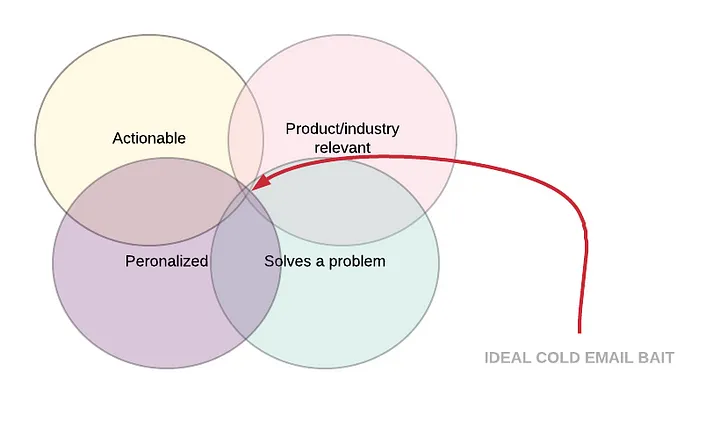
Cold emails are unsolicited emails sent to potential business prospects without prior contact with the sender.
Research from HubSpot indicates that 78% of decision-makers in companies have taken action due to a cold email, emphasizing their potential impact in B2B sales cycles.
Examples
CRM Software for Sales Teams
Subject: Unlock 30% More Sales Productivity with (Company Name)
Hi (Recipient’s Name),
I hope this email finds you in good health. I’m (Your Name), and I’m reaching out to introduce you to (Your Company Name), a cutting-edge CRM solution designed to help sales teams like yours achieve higher productivity and close more deals.
Our platform offers:
- Automated Lead Tracking: Never miss a follow-up with intelligent reminders and seamless integrations with your existing tools.
- Advanced Analytics: Gain insights into your sales pipeline and identify opportunities for improvement.
- Customizable Workflows: Tailor the CRM to fit your team’s unique process and maximize efficiency.
Companies like (Client 1) and (Client 2) have reported a 30% increase in sales productivity within the first three months of using our solution.
I’d love to show you how (Your Company Name) can help your team achieve similar results. Are you available for a 15-minute call or product demo this week?
Looking forward to your response.
Best regards,
(Your Name)
(Your Title)
(Your Contact Information)
(Your Company Name)
The Anatomy of an Effective Cold Email
1. Subject Line

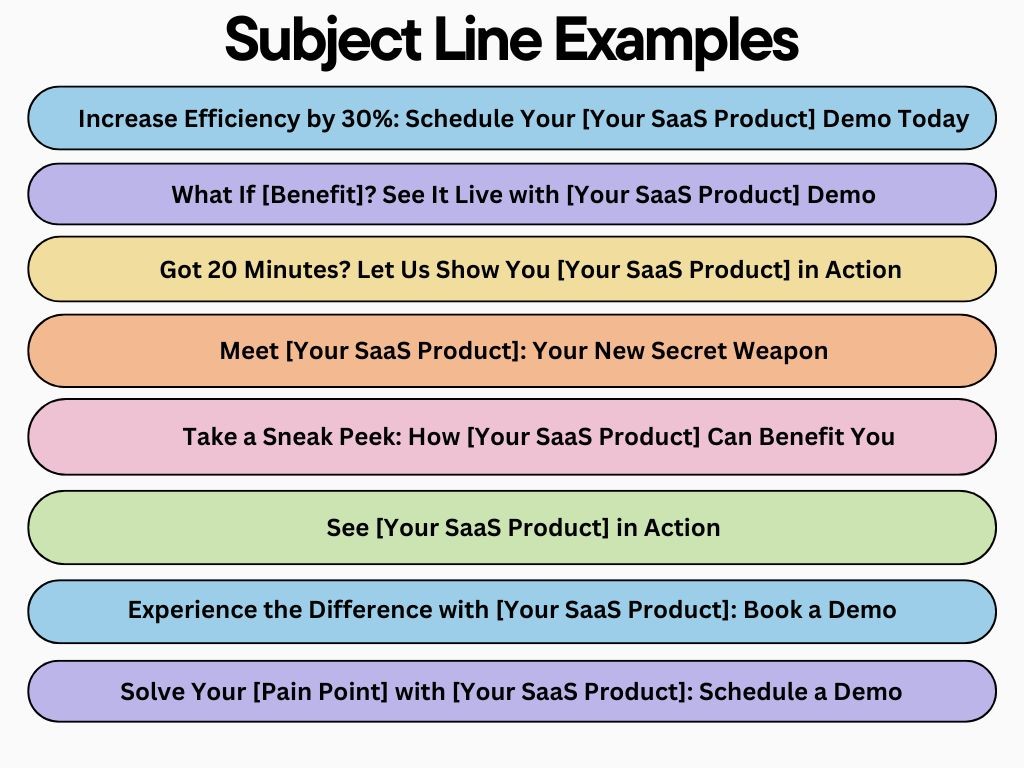
According to research findings, 47% of email recipients choose to open an email based solely on its subject line. Avoid vague or complex phrases. Highlight a benefit or a solution to a problem the recipient might be facing, increasing the possibility of opening the email.
2. Opening
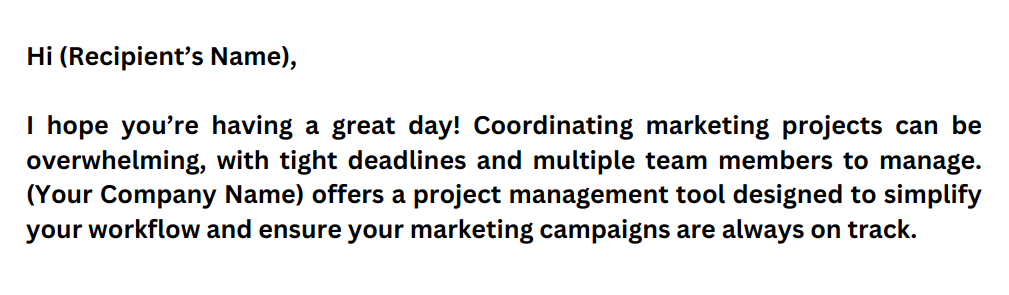
The opening sets the tone for the rest of the email and should immediately establish relevance and connection. Quickly acknowledge the pain points the recipient is facing, making the email more relevant to the situation.
3. Body
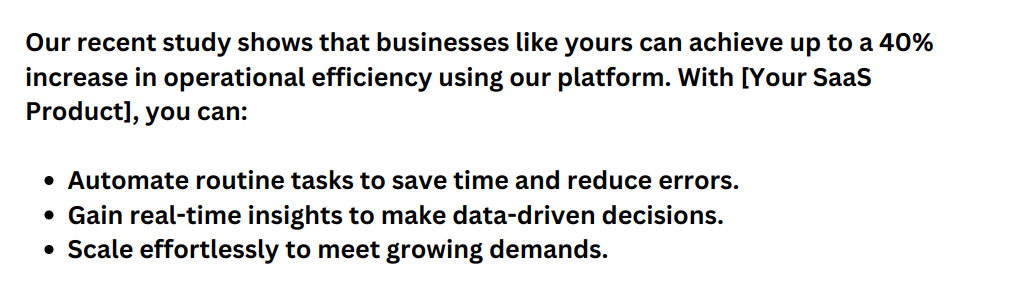
The body of the email should be focused and compelling, aiming to provide clear value. Clearly list the unique benefits of your SaaS product. Explain how it addresses particular pain points or improves the recipient’s business process. Include statistics, brief testimonials, or case studies that show your product’s effectiveness and reliability.
4. Call to Action (CTA)

A strong CTA is important for driving action. Make your CTA specific and unambiguous. Position the CTA prominently in the email, ideally towards the end after you’ve built value. Ensure the CTA is easy to follow, with direct links to contact methods.
5. Signature
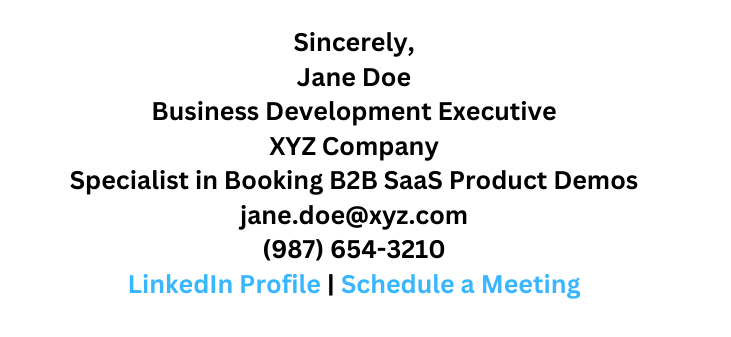
Your email signature should reinforce your credibility and provide clear contact information. Use a formal yet friendly sign-off, such as “Sincerely.” Include your full name, job title, company name and details. This builds trust and provides the recipient with multiple ways to reach out.
Strategies for Crafting Effective Cold Emails
ICP Formation
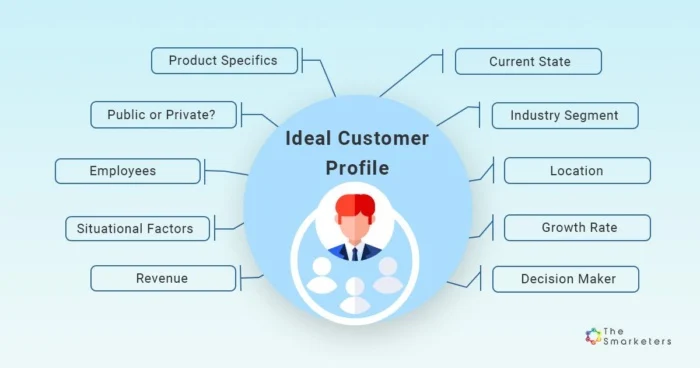
Companies with a well-defined Ideal Customer Profile (ICP) experience a 68% higher rate of winning accounts. Before initiating any cold email campaign, defining your Ideal Customer Profile (ICP) is essential.
Factors to consider include:
- Industry Verticals: Search for specific industries that most likely benefit from your SaaS solution.
For example, a SaaS company providing a customer relationship management (CRM) solution might target industry verticals such as healthcare, financial services, and retail.
- Company Size: Segmenting by company size can help determine the complexity of their needs and their purchasing power.
For example, when targeting small to mid-sized businesses with less than 500 employees, a SaaS company offering HR software can focus on these firms due to their specific needs for scalable HR solutions.
- Geographic Location: Geographical targeting ensures that your solution meets the specific needs of businesses in different regions, considering regulatory requirements and other factors.
For example, in regions like North America and Europe, a SaaS company specializing in cybersecurity solutions finds a strategic focus. This is due to the stringent data protection regulations such as GDPR and CCPA, which drive substantial demand for robust security measures.
- Pain Points: Understanding the specific challenges and pain points of your target audience allows you to address their needs directly in your cold emails.
For example, targeting businesses struggling with manual processes and inefficiencies could be key for a SaaS company offering workflow automation.
- Role of Decision-makers Within Organizations: Identifying the right decision-makers (e.g., CTOs, CMOs, HR Directors) ensures that your emails reach those with the authority to purchase or recommend your solution.
For example, a SaaS company offering marketing analytics tools might target Chief Marketing Officers (CMOs) and Marketing Directors.
Prospecting
Effective prospecting is crucial for identifying and reaching out to qualified leads that fit your ICP criteria. Use appropriate tools to research and verify prospects.
Engage in targeted list-building activities and networking to expand your reach. Make sure that your cold emails are reaching decision-makers who have the authority and need to consider your solution.
Email Deliverability
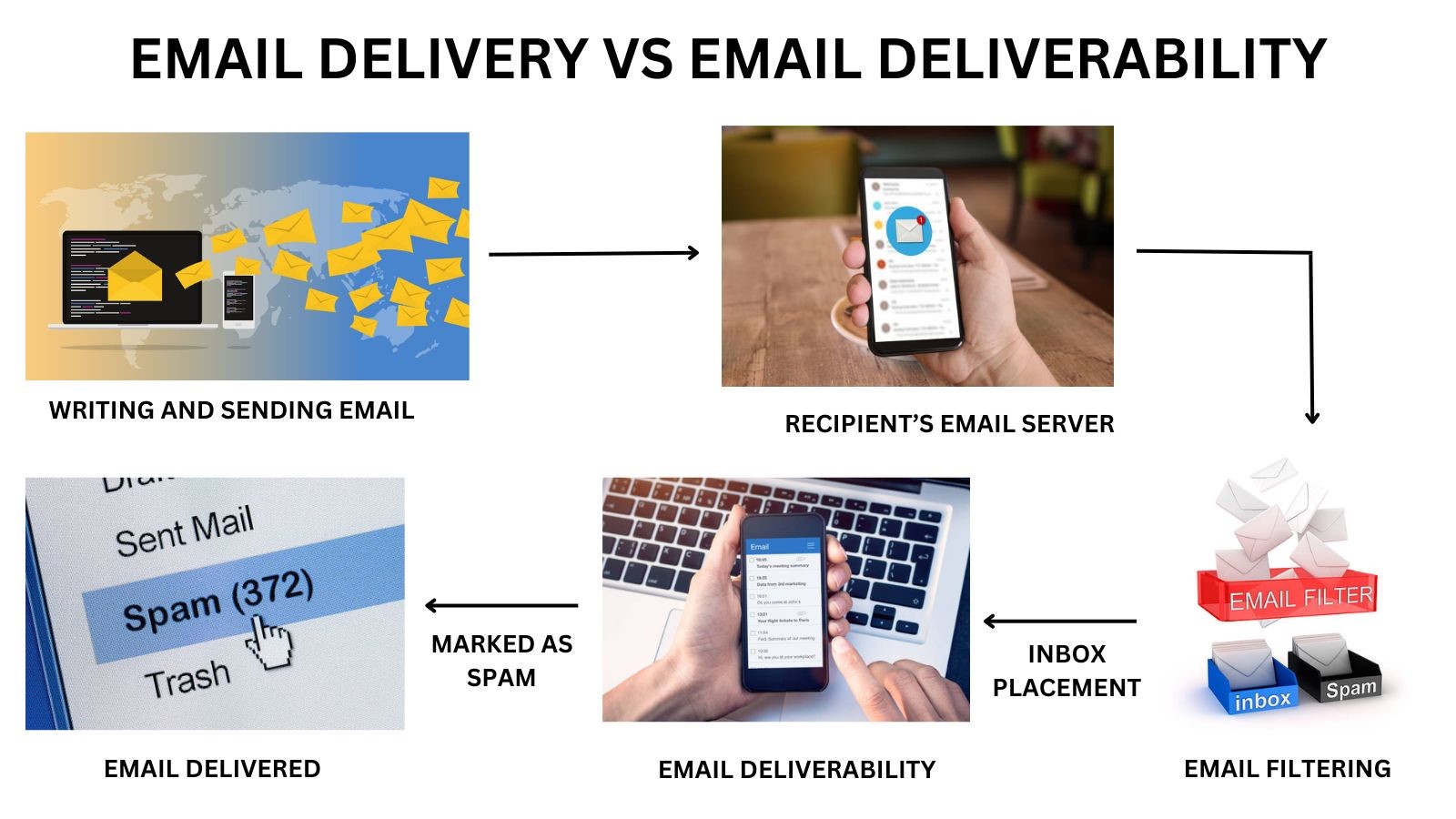
Ensuring high email deliverability is paramount for achieving a strong return on investment (ROI). Statistics show that for every $1 spent on email marketing, the average ROI is approximately $36.
Craft subject lines and content that are clear, relevant, and free from spammy elements. Regularly clean and update your email lists to remove invalid or inactive addresses. Track email engagement metrics and adjust your strategies based on performance data.
Personalization
To capture the attention and interest of B2B prospects, personalize your emails. Use data and insights to tailor your messages specifically to the challenges, goals, and pain points of your target industries.
Address recipients by name, reference their company or recent industry developments and demonstrate a clear understanding of their business context. Personalized emails are more likely to resonate with recipients, showing that your outreach is relevant and worth their time.
Value Proposition
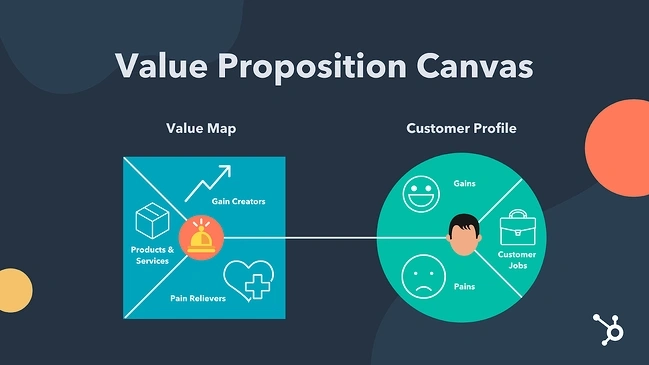
Clearly articulate the unique benefits and solutions your SaaS product offers to B2B prospects. Focus on how your solution addresses their challenges or improves business processes relevant to their industry or role. Use concrete examples, metrics, or case studies to illustrate the tangible value your product delivers.
Social Proof
Incorporate social proof to build credibility and trust with B2B prospects.
Include brief testimonials from satisfied clients, relevant case studies that highlight successful implementations of your SaaS solution, or compelling success stories that showcase measurable results.
Social proof validates your claims and shows the real-world impact of your product, ensuring recipients that your solution is effective and trustworthy.
Timing and Frequency
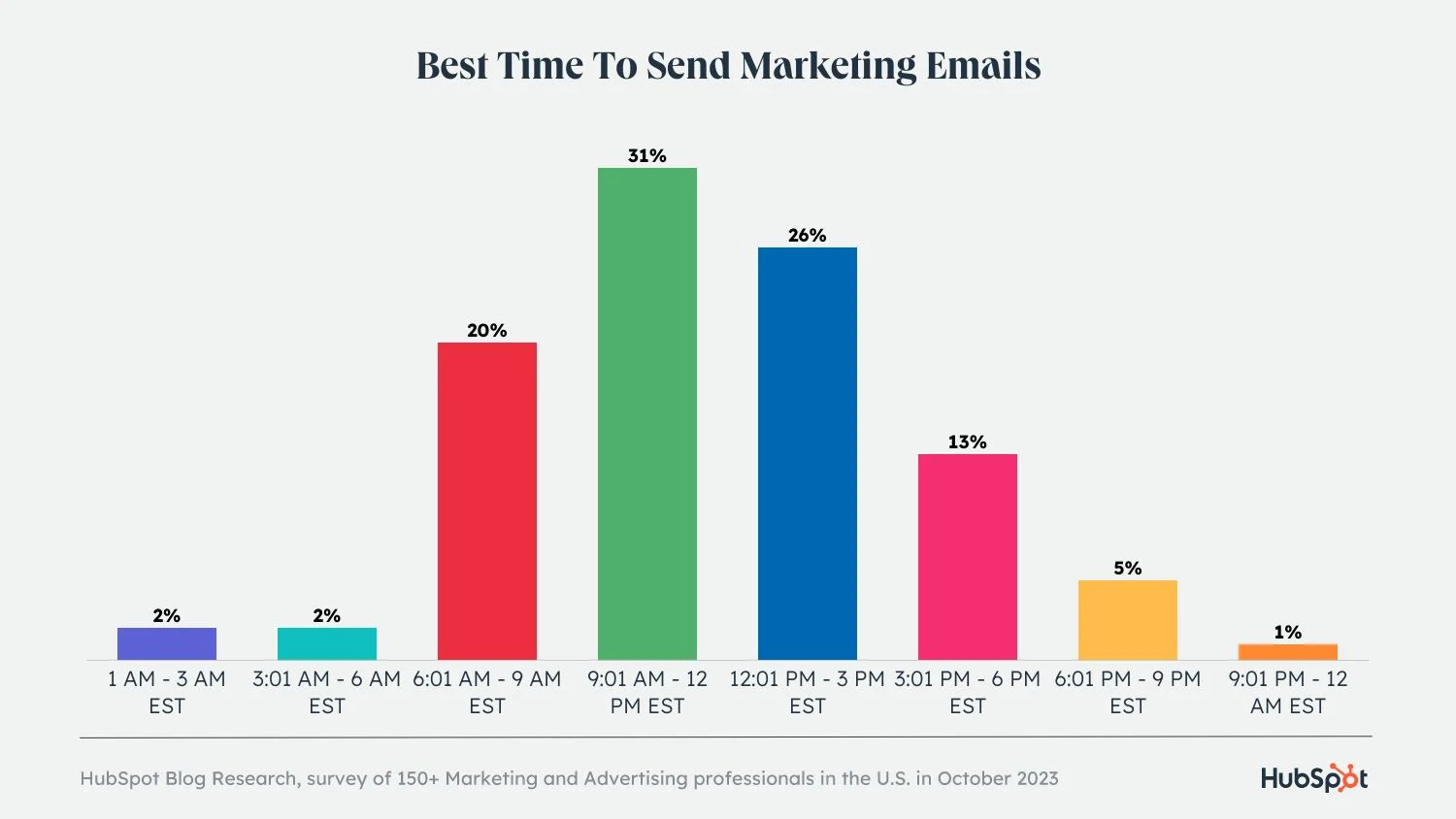
A survey conducted by HubSpot among over 150 marketing and advertising professionals in the U.S. revealed that most respondents experienced peak engagement for their marketing emails from 9 AM to 12 PM and from 12 PM to 3 PM.
The timing and frequency of your cold emails significantly impact their effectiveness. There are certain days and times that result in higher open and response rates, depending on your target audience’s habits and industry norms.
Experiment with sending emails early in the morning or later in the afternoon when professionals are more likely to check their inboxes. Implement a structured follow-up strategy to nurture leads and encourage engagement without overwhelming recipients.
Best Practices for Cold Email Campaigns
- Segmentation:
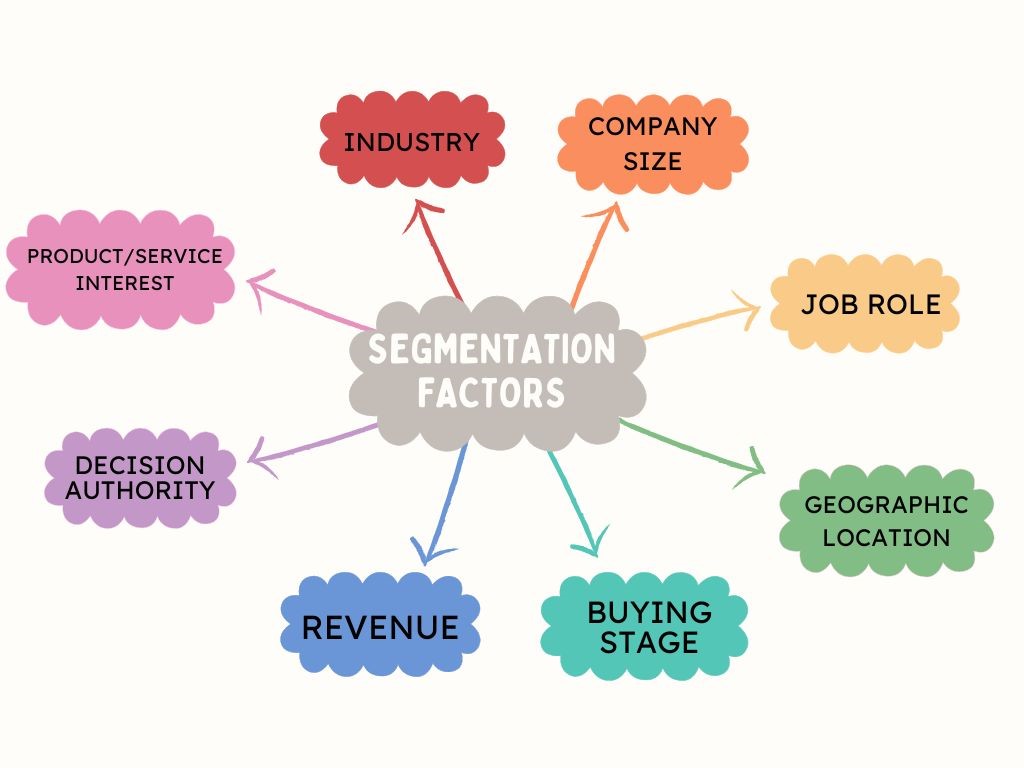
In reaching B2B prospects, the digital environment is growing more crowded than ever, underscoring the critical need for personalized and precisely targeted messaging. Segmentation strategies emerge as pivotal tools, enabling businesses to customize their communications and interact with prospects at a highly personalized level.
- A/B Testing:
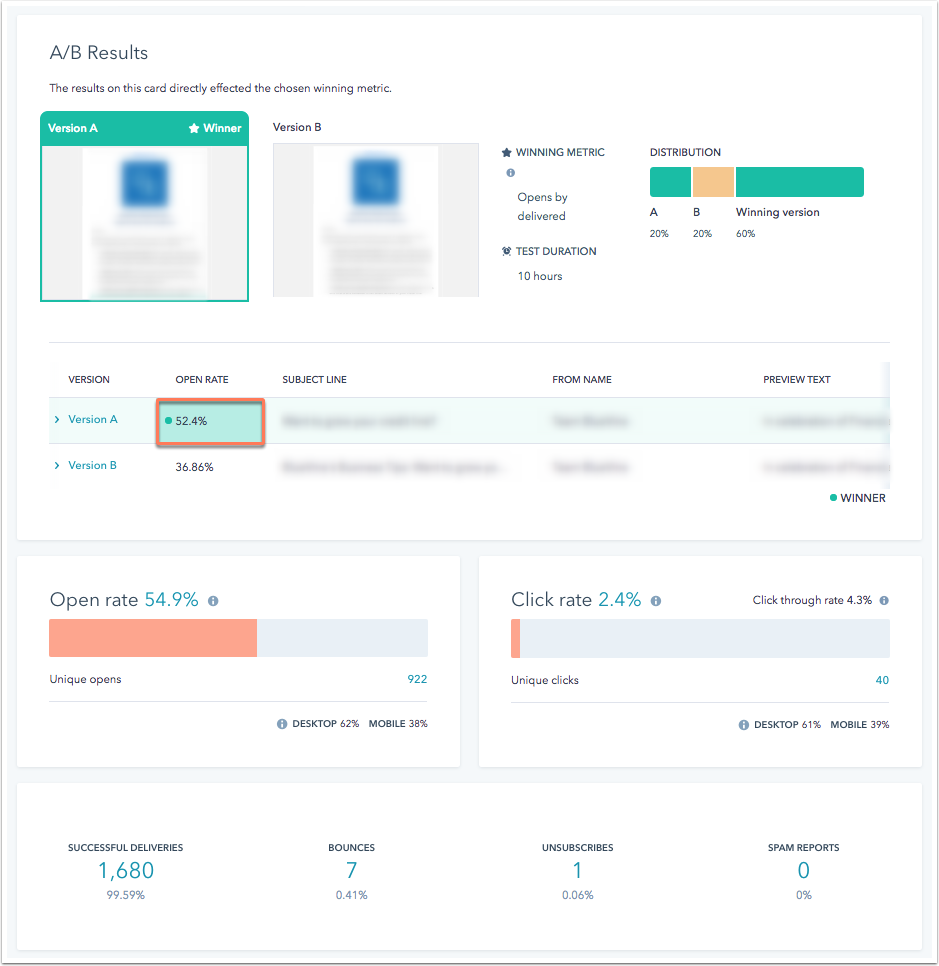
Also known as split testing, A/B testing allows you to experiment with various versions of your email campaigns to determine which elements resonate best with your audience and drive higher engagement rates. Key elements to test are subject lines, email copy, CTA buttons, visuals, and send times.
- Automation Tools: Email automation stands as the most frequently automated marketing channel, with 65% of marketers harnessing its capabilities. Automation is essential in streamlining and scaling your cold email outreach efforts. These tools automate repetitive tasks such as follow-ups, email scheduling, and personalized messaging based on predefined conditions. Look for automation tools that seamlessly integrate with your CRM system and provide analytics and reporting capability.
- Compliance: Make sure your B2B cold email campaigns are compliant with legal and ethical standards to maintain trust and avoid potential legal liabilities. Comply with requirements such as including proper sender information, offering opt-out mechanisms, and honoring opt-out requests promptly.
Measuring Success and ROI
Effective measurement of success and ROI is crucial for optimizing B2B cold email campaigns and demonstrating their impact on SaaS growth.
Key Metrics to Track
- Open Rates
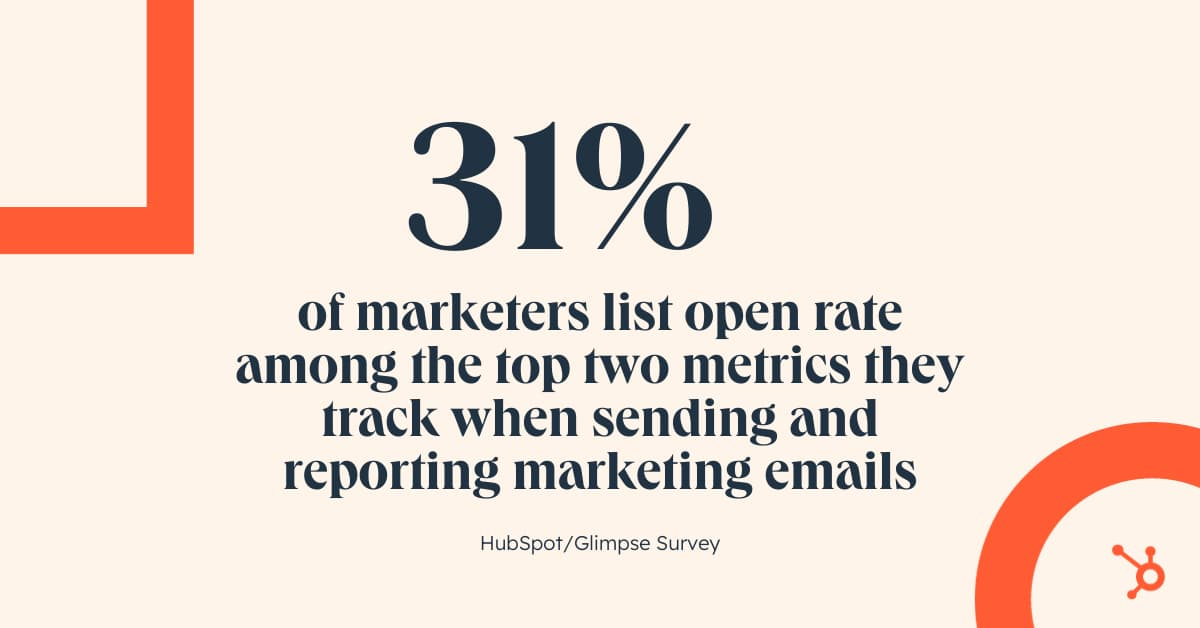
Open rate is the percentage of recipients who open your cold emails. Higher open rates indicate effective subject lines and initial engagement. If your email open rate falls below 40%, it risks damaging your sender reputation, as email service providers may perceive your emails as lacking value to recipients.
- Response Rates
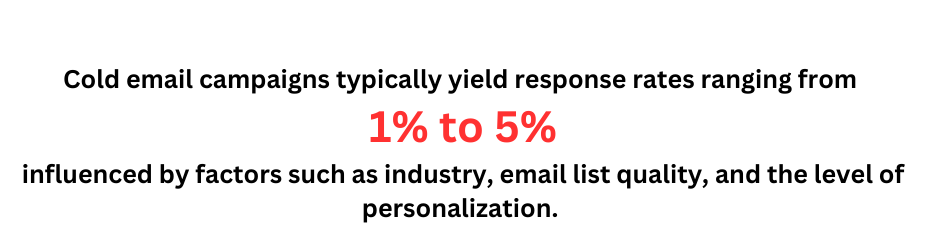
The percentage of recipients who respond to your cold emails, indicating interest and engagement.
- Demo Booking Rates: The percentage of recipients who schedule a product demo after receiving your cold email. This metric directly correlates with lead quality and interest in your SaaS solution.
- Conversion Rates: The percentage of demo attendees who convert into paying customers. This metric measures the effectiveness of your cold email campaign in driving actual revenue.
Calculating ROI
Calculating ROI provides a clear measure of the effectiveness of your cold email campaigns in driving B2B SaaS growth.
- Cost per Lead: Calculate the cost incurred to acquire each lead through your cold email efforts. Divide total campaign costs, including tools, labor, and overhead, by the number of leads generated.
- Customer Acquisition Cost: Determine the average cost of acquiring a new customer from your cold email campaigns. Divide total campaign costs by the number of customers acquired.
- Revenue from Campaigns: Track revenue generated directly from leads and customers acquired through cold emails. Include initial sales and potential recurring revenue over the customer’s lifetime.
- ROI Calculations: Use the formula [(Revenue – Campaign Costs) / Campaign Costs] x 100 to calculate the ROI percentage. A positive ROI indicates that your cold email campaigns are profitable. However, a negative ROI suggests the need for adjustments to improve cost-efficiency and effectiveness.
Conclusion
Effective B2B email strategies for SaaS companies depend on personalized outreach, compelling value propositions, and strategic timing.
Continuous improvement is crucial; regularly analyzing metrics like open rates allows for iterative refinement of strategies. Adhering to compliance standards ensures ethical communication practices, fostering trust with prospects.
B2B SaaS companies should prioritize innovation, data-driven insights, and automation tools to streamline processes and deliver meaningful ROI.